
What’s Your Meditation Style?
What’s Your Meditation Style?
Learn More About Meditation Styles
Meditation is often treated as a single, uniform practice, close your eyes, focus on your breath, empty your mind. In reality, meditation is an umbrella term covering dozens of distinct techniques, each with different mechanisms, benefits, and ideal practitioners. Research from institutions like Harvard Medical School and the National Center for Complementary and Integrative Health has found that the effectiveness of a meditation practice depends heavily on whether it actually fits how a person's mind and body naturally operate.
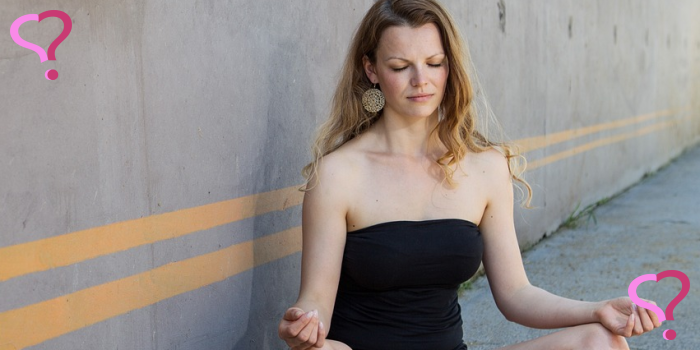
Silent, breath-focused meditation, the style most people picture first, has the deepest research base. Studies using MRI imaging have shown that consistent breath-focused practice can physically thicken the prefrontal cortex, the brain region associated with attention and emotional regulation, while shrinking the amygdala's stress response over time. This style rewards patience and tends to suit people who already gravitate toward quiet, low-stimulation environments.
Moving meditation, including walking meditation and practices like tai chi or mindful yoga, exists because sitting still is not universally calming for everyone. For some people, especially those with more restless or anxious nervous systems, stillness itself creates tension rather than relieving it. Movement-based mindfulness lets attention settle into the rhythm of the body instead of fighting against fidgety energy, and research on walking meditation has found it can lower cortisol just as effectively as seated practice for people who respond better to it.
Body scan meditation draws from techniques developed in Jon Kabat-Zinn's Mindfulness-Based Stress Reduction program, one of the most clinically studied mindfulness interventions in existence. Slowly moving attention through each part of the body helps people notice where they're holding tension, often revealing stress patterns they weren't consciously aware of. This bottom-up approach, starting with the body rather than the mind, can be especially effective for people who struggle to access their emotions through thought alone.
Visualization-based meditation borrows techniques from sports psychology and guided imagery therapy. Athletes have long used mental visualization to prepare for competition, and the same neural pathways get activated when someone visualizes a calm beach or a glowing light of relaxation. This style tends to appeal to people with strong imaginations who find it easier to relax into a picture than into pure silence.
Group and guided meditation taps into something less about technique and more about accountability and connection. Studies on habit formation consistently show that social structure improves consistency, people are more likely to stick with a practice when they've committed to a class time or a group session rather than relying purely on self-discipline. For naturally social people, the sense of shared practice can make meditation feel less like a chore and more like a ritual worth showing up for.
No single style is objectively superior. The real research consensus is simpler than the wellness industry often makes it sound: the best meditation practice is the one you'll actually do consistently. Matching your natural tendencies, whether that's stillness, movement, body awareness, imagination, or community, makes that consistency far more achievable.