
Which Ludwig Character Are You?
Which Ludwig Character Are You?
Learn More About Ludwig
Ludwig arrived on BBC One in September 2024 and became, almost immediately, the most warmly received British crime comedy in years. The premise is absurd on paper and works beautifully in practice. John Taylor is a reclusive puzzle-setter who writes cryptic crosswords and games under the pen name Ludwig, lives alone, and has organised his entire existence around not having to speak to anyone. Then his identical twin brother James, a detective chief inspector in Cambridge, vanishes.
James’ wife Lucy asks John to do something outrageous: walk into Cambridgeshire police headquarters pretending to be his brother, get access to James’ desk, and find out what he was working on. John agrees, badly, and is immediately handed a live murder case. Having no police training whatsoever, he does the only thing he knows how to do — treat it as a puzzle — and solves it. Then he has to keep doing it.
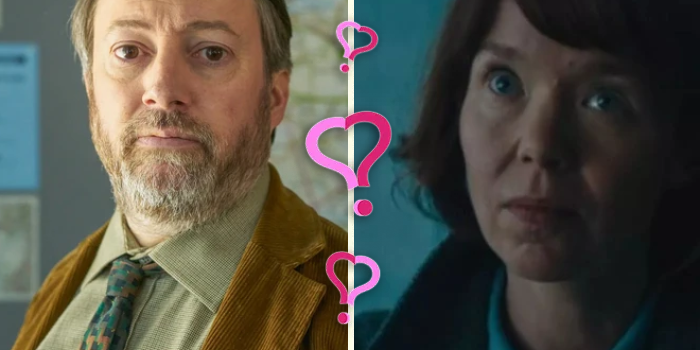
David Mitchell plays both brothers, and the casting is the whole show. Mitchell has spent a career perfecting a particular register of pedantic, socially appalled Englishman, and Ludwig finally gives that persona a real emotional spine. John is not a quirky genius having fun; he is a frightened man being repeatedly forced into rooms full of people, and the comedy comes from genuine panic rather than eccentricity.
Anna Maxwell Martin plays Lucy Betts-Taylor, and the series is smart enough to make her the architect rather than the worried wife. The scheme is hers. She is grieving, furious, and methodically working a problem the actual police have quietly given up on, and Maxwell Martin plays her with a brittleness that never tips into melodrama. The scenes between Lucy and John — two people bound by a missing man neither of them can talk about directly — are where the show earns its emotional credit.
The squad around them does real work too. Dipo Ola plays Russell Carter, the conscientious colleague who is good enough at his job to be a genuine threat to the deception. Izuka Hoyle plays Holly Pinder, whose eagerness keeps landing on the right answer. Dorian Lough plays Simon Evans, the dry veteran. Sophie Willan turns up as Carol Shaw. None of them are written as idiots, which is the trap most impostor comedies fall into — the tension works precisely because these are competent people who could notice at any moment.
Created and written by Mark Brotherhood, the series pulls off a structural trick that British crime drama rarely manages: it is a genuine case-of-the-week show with a serialised mystery underneath that actually pays attention to itself. Each episode gives John a self-contained puzzle, while the question of what happened to James builds steadily in the background and is never treated as an afterthought.
Cambridge is used properly as well. The colleges, the courtyards and the river give the show a handsome, slightly unreal quality that suits a story about a man solving crimes by pattern recognition. There is a long tradition of British mysteries set in university towns, and Ludwig is knowingly working inside it while sending it up.
The reception was emphatic. It drew enormous audiences by modern BBC standards, won over critics who had expected a slighter comedy, and was renewed for a second series before the first had finished airing. For a show with a premise that sounds like a sketch, it has proven remarkably durable.
If you like a detective everyone underestimates, try Which Sherlock Character Are You? for the other great British deduction machine, Which Elsbeth Character Are You? for a similarly disarming investigator, or Which Only Murders in the Building Character Are You? for amateurs in well over their heads.
So which one are you — the puzzle-setter dragged into the world, the planner holding it together, the colleague who notices everything, the one who asks the obvious question, or the veteran who has seen it all before? Take the quiz above and find out.